
"Local content" appears in every conversation about Venezuela's reopening, and it means much more than a local invoice. For the operators and engineering firms structuring their return, local content is the practical question of who will actually execute the work: with which people, which equipment, which suppliers, and which knowledge of fields that have their own habits and history. This guide describes what genuine local capability looks like in Venezuelan oil and gas — and how to distinguish it from the pass-through arrangements that appear whenever a market heats up.
The four layers of real local content
When we unpack what an international team is really buying from a local partner, it comes down to four layers:
- Workforce. Welders, riggers, electricians, mechanics and supervisors who are directly employed, formally trained and certified — not assembled per project from an informal market. A formed workforce carries the safety culture with it from job to job.
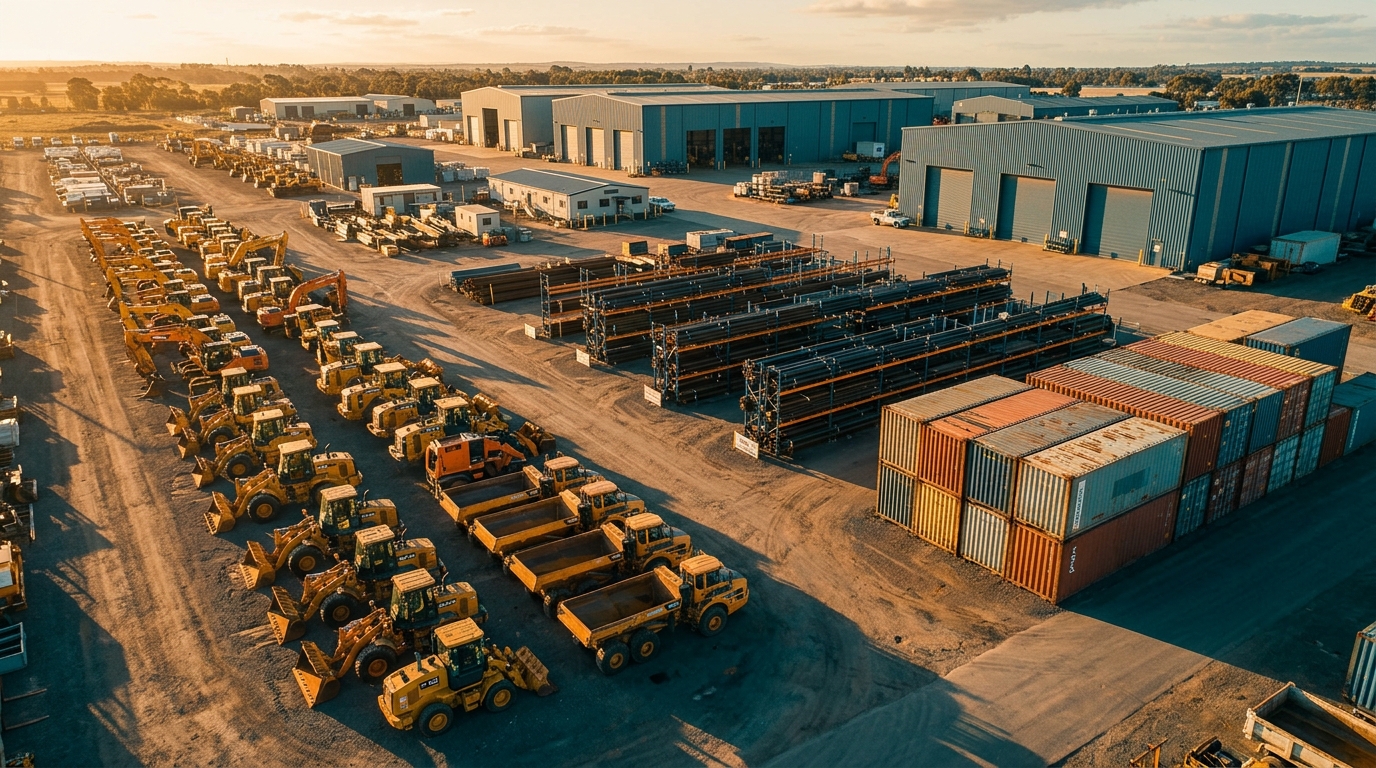
- Assets in country. Machinery, cranes, welding spreads and marine equipment that already cleared customs years ago and sit maintained in a yard. This is the layer that compresses mobilization from months to days.
- Supplier network. Two or three decades of purchasing teaches a contractor which national suppliers deliver certified materials on time — and which do not. That knowledge does not transfer with a phone directory.
- Field knowledge. The unwritten layer: how the lake behaves in the afternoon, which access roads flood in October, how each joint venture runs its permits. It is the difference between a schedule built on assumptions and one built on experience.
Why operators weight it so heavily
The commercial logic is straightforward. Local cost structures protect project economics. Local assets protect schedules. Local employment and purchasing build the social license that lets work fronts operate without friction — a subject we developed in our ESG guide. And local organizations provide resilience: they do not demobilize to another country when conditions tighten, a lesson Venezuela taught the industry emphatically between 2014 and 2020. The firms that stayed — kept their people, their yards and their client relationships — are the nucleus of executable local content today.

Separating local partners from pass-throughs
Every reopening attracts intermediaries: firms with impressive presentations whose actual plan is to subcontract your scope to whoever they can find once the award lands. The verification is fortunately physical. Visit the base and the yard. Review payroll and training records instead of headcount claims. Inspect the equipment list against the equipment yard. Trace recent purchases to their suppliers. Ask for the client history and call it. Genuine depth — people, steel, suppliers, history — cannot be staged for an audit visit, and a contractor who has it will be glad you asked.
What LATICON's version of local content looks like
Our answer to the four layers is concrete. A workforce formed over thirty-five years of continuous operation, working under HSEQ guidelines shaped by international operators. Owned fleet and marine equipment based in Maracaibo, Campo Boscán and El Tigrito — trucking distance from the western fields, tug distance from the lake. A supplier network refined across every cycle since 1990. And field knowledge that spans four business units, from onshore facilities and pipelines to offshore support, asset integrity and civil infrastructure. That combination is what we bring to operators building their Venezuelan supply chains, and to engineering firms looking for the local execution arm of their EPC alliances.
Local content due diligence: six verifications
- Base and yard visit — assets seen, not listed
- Payroll and training records for the offered crews
- Equipment ownership documents matched to the yard
- Two recent purchases traced to their suppliers
- Client references called, not just cited
- Activity evidence through the 2014–2020 cycle
Frequently asked questions
What counts as genuine local content?
Value created in country: directly employed and trained workforce, locally owned and maintained equipment, purchasing that reaches regional suppliers, and technical decisions made by people who know the fields. Local invoicing over foreign subcontracting is a pass-through.
Why do operators prioritize local content partners?
Local cost structures, mobilization in days rather than months, the social license that comes from employing and buying regionally, and resilience — local organizations do not leave when conditions tighten.
How is a partner's real depth verified?
Physically: bases and yards visited, payroll and training reviewed, equipment inspected, purchases traced, references called. Depth cannot be staged.
Looking for genuine local capacity in Venezuela?
Visit our bases, inspect our fleet, review our records. Thirty-five years of local content — verifiable in person.