
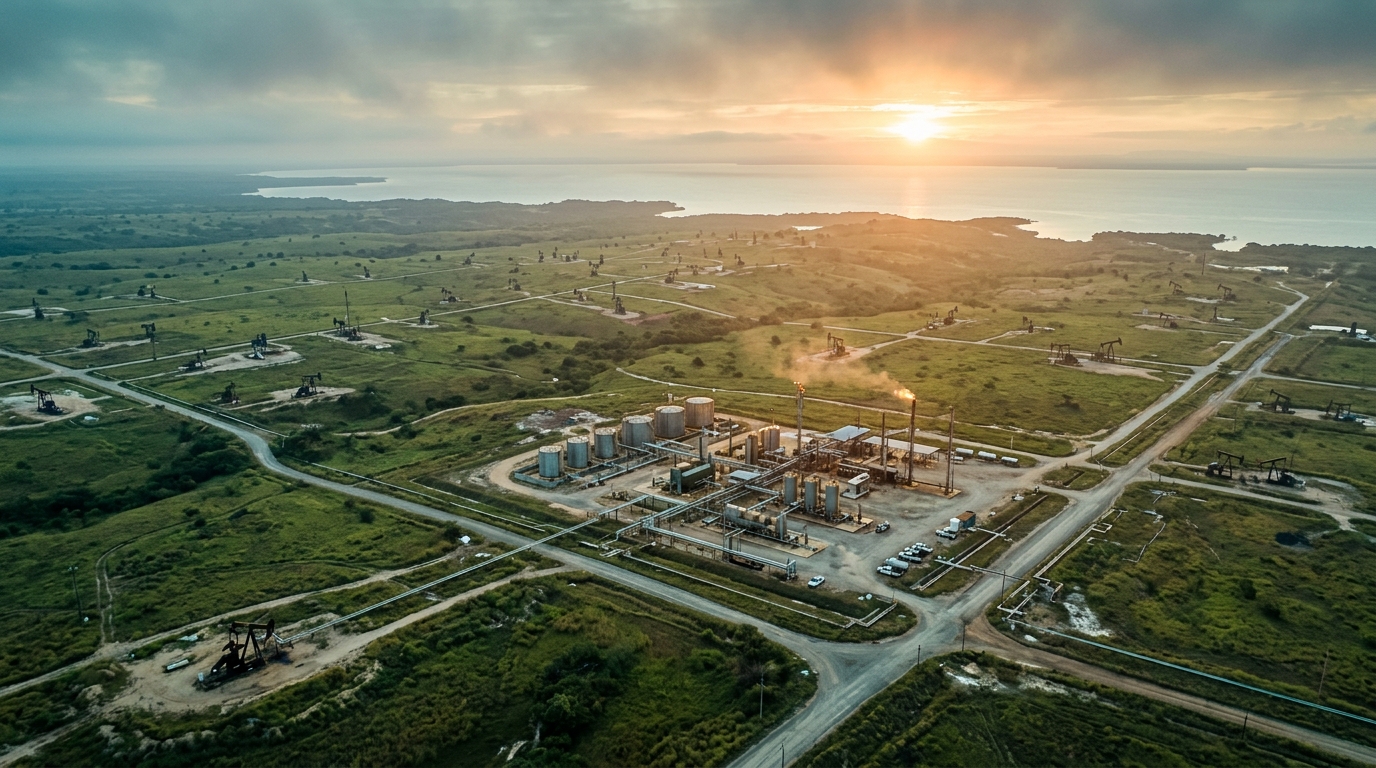
Venezuela's oil sector has entered its most active cycle in a decade, and the companies best positioned for it are those building their local supply chains now — before the work fronts open. According to sector analysis citing Reuters Energy, private investment is projected to grow from roughly $900 million in 2025 to $1.4 billion in 2026, with international operators active under renewed licenses and the major service companies re-establishing their presence. From where we stand — thirty-five years inside the market's ups and downs — this article outlines what returning teams should understand about the ground reality and the supply chain that will carry their projects.
What has actually changed
Two things distinguish this cycle from the false starts of the past decade. The first is the breadth of participants: it is no longer a single operator holding the line but a group of international companies working under authorizations, accompanied by global service firms returning to the country. The second is the nature of the work itself. This cycle does not begin with megaprojects; it begins with the disciplined, unglamorous labor of bringing existing assets back to standard — and that changes which capabilities matter most.
Where the first work fronts are concentrating
Years of constrained investment left an infrastructure debt that defines today's scopes:
- Brownfield reactivation. Integrity assessment and repair of flow stations, tank farms, flowlines and wellhead platforms before restart — the heart of the current demand.
- Electrical recovery. Substations, switchgear and distribution yards that require inspection, refurbishment and, in many cases, reconstruction across voltage levels up to 400 KV.
- Access and civil works. Roads to wellpads and facilities, drainage and site preparation for the drilling campaigns that follow.
- Marine campaigns on Lake Maracaibo. Platform rehabilitation, subsea inspection and the barge-borne logistics that lake maintenance depends on.
Greenfield construction will come — but the operators sequencing this cycle correctly are funding integrity first, because production economics are rebuilt from working assets.
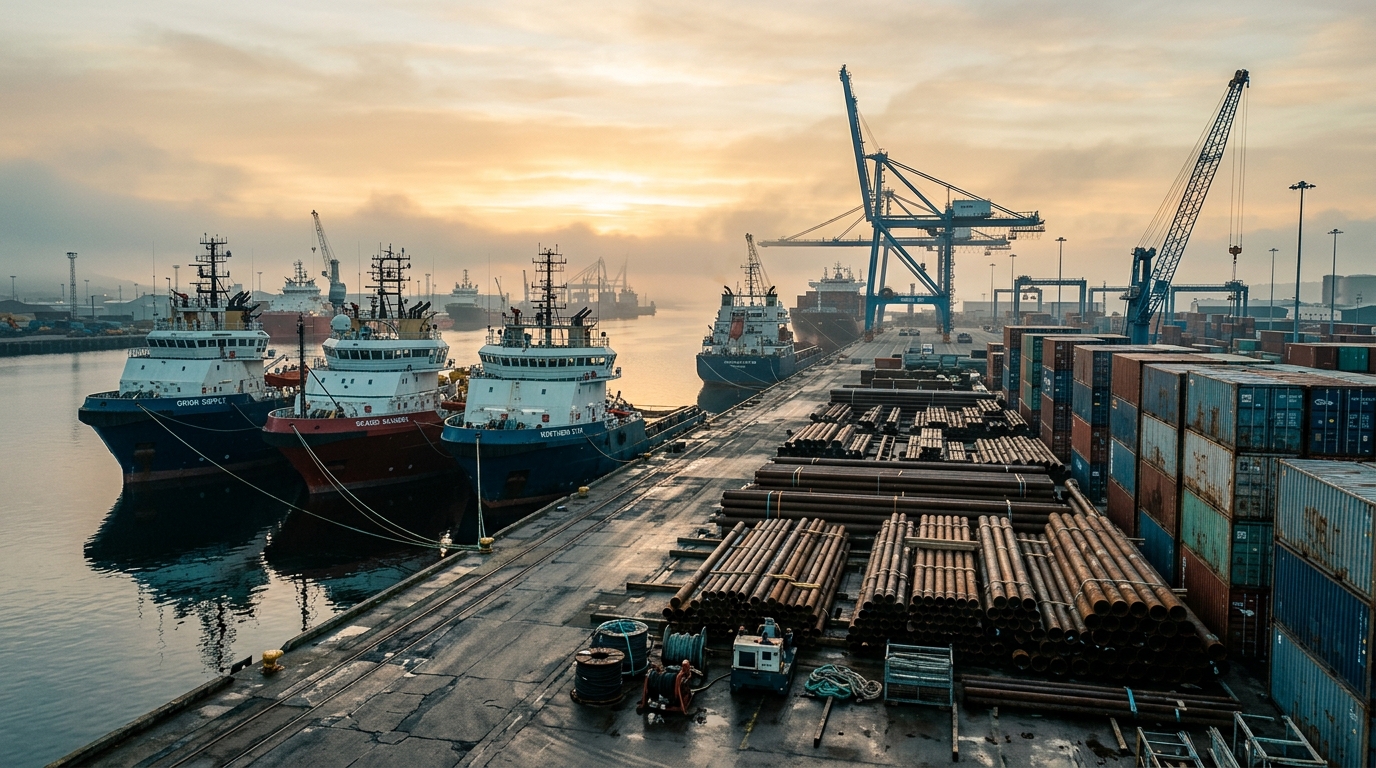
Building the local supply chain: sequence matters
The pattern we observe among the teams moving fastest is consistent. They begin qualification early — legal verification, HSEQ audits and compliance due diligence run in weeks when documentation exists, and in months when it must be assembled. They privilege contractors with owned assets, because equipment already in country is the one mobilization variable no procurement strategy can compress. They demand continuity through the downturn, since a contractor that operated through 2014–2020 knows the fields in their present condition, not as they appear in decade-old drawings. And they align early on compliance infrastructure — ethics policies, reporting channels, auditable procurement — because third-party due diligence is now the gate to every contract.
Where LATICON stands in this cycle
Our position is straightforward. LATICON spent the difficult years working: maintaining facilities, keeping crews certified, keeping barges on the water and machinery in service. That continuity now translates into what returning operators need first — a contractor already qualified by experience for brownfield conditions, with four business units covering onshore facilities and pipelines, offshore and marine support, asset integrity and maintenance, and civil infrastructure, operating from bases in Maracaibo, Campo Boscán and El Tigrito. We are, deliberately, a construction and works-management partner: the local execution arm for the operators and engineering firms writing this cycle's project list.
Supply-chain readiness: five early moves
- Launch contractor qualification before project sanction, not after
- Weight owned equipment and in-country bases heavily in scoring
- Audit HSEQ systems against your corporate standard early
- Run compliance due diligence in parallel, not in sequence
- Prioritize partners with verifiable activity through 2014–2020
Frequently asked questions
Where is the first wave of work concentrating?
Overwhelmingly in brownfield reactivation: integrity and repair of existing facilities, electrical recovery, access infrastructure and the maintenance backlog of the lake. Greenfield follows once production economics are re-established.
Why qualify local contractors before sanction?
Because qualification is the long pole — weeks to months of legal, HSEQ and compliance review. Early qualification converts license windows into work fronts immediately; late qualification slips mobilization for administrative reasons.
What distinguishes contractors that stayed active through the downturn?
Current knowledge of the fields, retained crews, maintained equipment and unbroken administrative continuity — the exact attributes that shorten qualification and de-risk early campaigns.
Building your supply chain for Venezuela?
Start the conversation early. Documentation ready for qualification, owned assets in country, and 35 years of operating history through every cycle.