
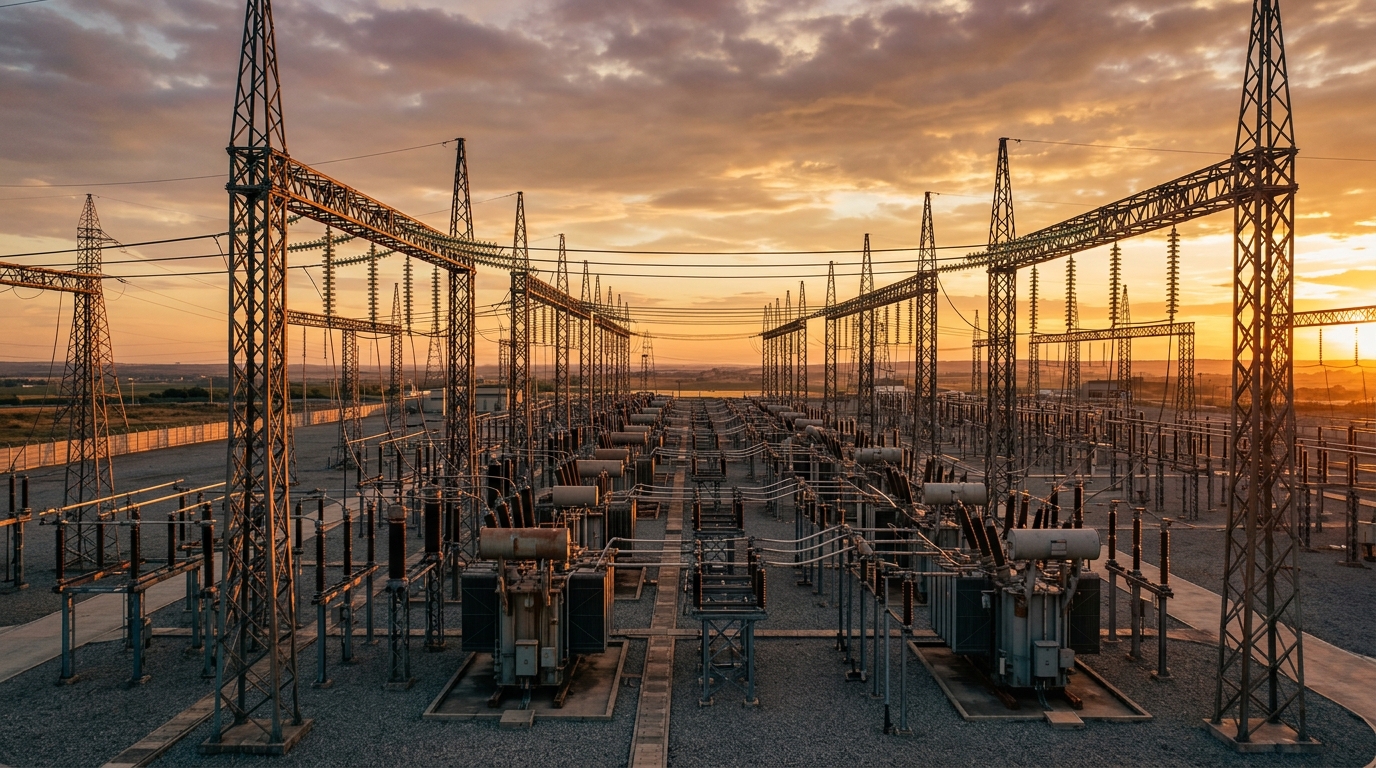
Every liter of crude that leaves a field passes, at some point, through steel that carries electricity. Pumps, motors, control systems, illumination, communications — all of it depends on an electrical backbone that ranges from the 13.8 KV distribution feeding a wellpad to the 400 KV substations tying entire operating blocks to the grid. When that backbone is reliable, nobody notices. When it is not, production stops, and it stops instantly. This article describes the medium and high voltage discipline that quietly decides oilfield uptime, and what a capable contractor brings to it.
The voltage stack in a working oilfield
Venezuelan oilfields inherit a full voltage architecture. At the bottom of the stack, low voltage feeds instrumentation, control and auxiliary systems — the quiet electrical universe where a failed contactor stops a permitting run. Medium voltage, typically 13.8 KV, distributes power across the field: motor control centers driving artificial lift, transformers stepping down at each facility, cables running between wellpads. Above that, transmission at 34.5 KV, 115 KV and higher connects the field's substations to the national grid — and, at the top, full high voltage yards up to 400 KV interconnect major facilities and transmission corridors. A capable contractor moves across the entire stack; a specialist stuck at one voltage class ends up subcontracting the rest.
The scopes that dominate reactivation
- Substation refurbishment. Replacement of aging disconnectors, breakers and instrument transformers; corrosion repair on steel gantries; grounding and lightning protection restored to standard. In Venezuela's saline coastal environment, corrosion is the quiet enemy no drawing captured.
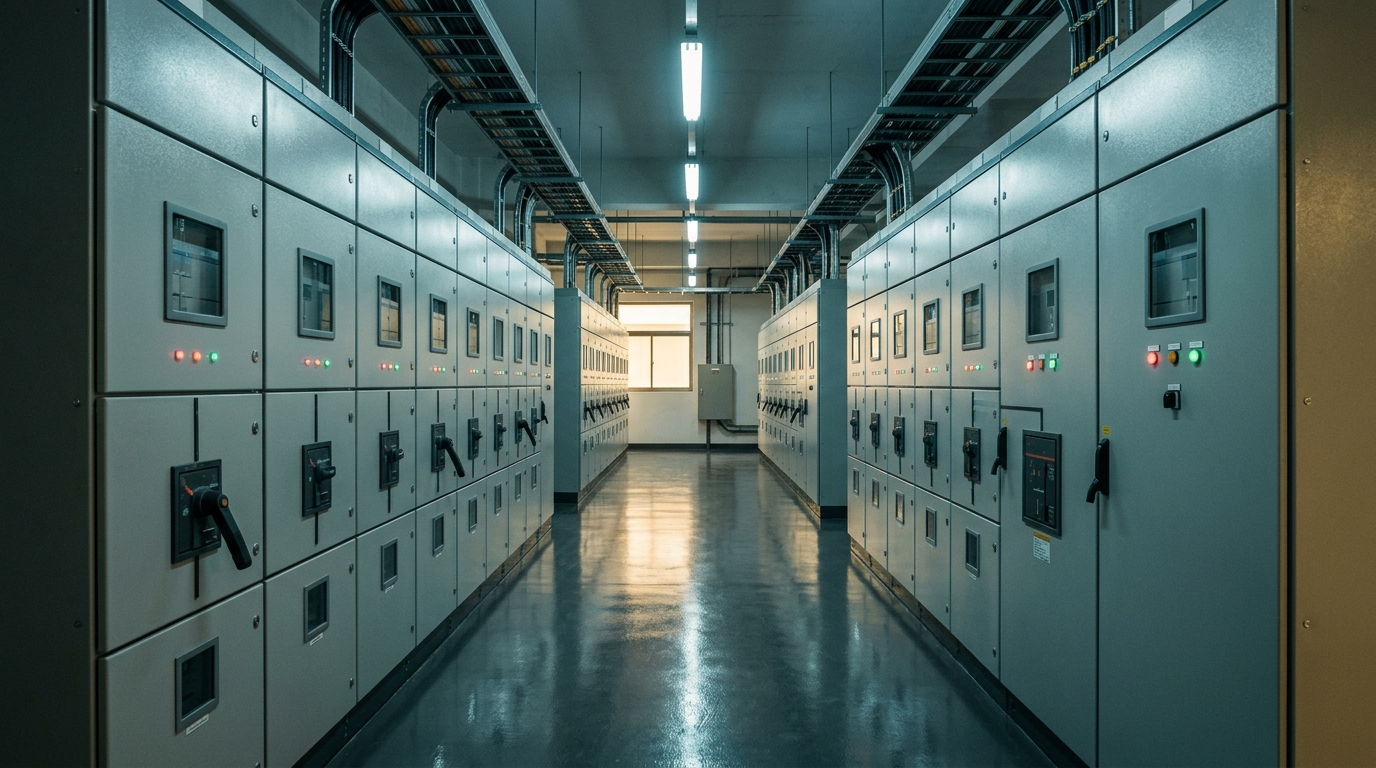
- Switchgear and MCC overhaul. Metal-clad cubicles inspected, worn contacts replaced, protection relays modernized. A well-executed MCC scope is invisible when it works and catastrophic when it does not.
- Protection and control retrofits. Electromechanical relays replaced with digital numeric protection, communications integrated with SCADA. This is the scope that turns an old facility into one that speaks the operator's control system.
- Cable replacement. Medium voltage feeders whose insulation has aged past reliability, replaced with proper terminations and hi-pot tested before energization.
- Commissioning after long outages. The methodical process of bringing an electrical system back with signed protocols — insulation resistance, primary injection, phasing, load tests. In facilities restarted after years of standstill, commissioning is where problems that were hidden become visible.
What a competent HV contractor brings
The market has learned to read a short list of tells. Certified personnel across all voltage classes — because the discipline of working at 400 KV is not the discipline of working at 480 V, and pretending otherwise is dangerous. Proper test equipment maintained and calibrated: insulation resistance testers, primary and secondary injection sets, thermography cameras, ground resistance meters. A commissioning process documented from insulation checks to load tests, with each step signed and closed. And the operational maturity to work safely inside energized environments — including, when necessary, live-line procedures for operations that cannot afford an outage. These are the disciplines LATICON's electrical unit has practiced across three and a half decades of field work in Venezuela's most demanding installations.
Where reliability actually comes from
Ask five operators what they need from an electrical contractor and you will hear four different answers. Ask five who have lived through a bad energization and they will converge on the same one: predictability. Predictability comes from procedures that leave nothing implicit, from test records that survive an audit, from crews that have seen the failure modes before and know how to avoid them. In a reactivation cycle where every operator's first electrical decisions will shape the next decade of their operation, the choice of contractor is not a commercial one — it is the first act of asset integrity.
HV contractor: what to verify
- Certified personnel per voltage class — with training records
- Calibrated test equipment (insulation, primary injection, thermography)
- Documented commissioning process with signed protocols
- Field experience across 13.8 KV → 400 KV, not one segment
- Safety procedures for energized work, including live-line where applicable
- Recent reactivation and turnaround electrical scopes as references
Frequently asked questions
What voltage ranges are typical in Venezuelan oilfields?
Bulk distribution at 13.8 KV, transmission stepping up to 34.5 KV and higher, and full high voltage yards up to 400 KV at major interconnects. A capable contractor works across the entire range.
Most common scopes in reactivation programs?
Substation refurbishment, switchgear and MCC overhauls, protection and control retrofits, cable replacement, and full post-shutdown commissioning.
What separates a competent HV contractor?
Certified personnel across voltage classes, proper calibrated test equipment, a documented commissioning process, and the discipline to work safely in energized environments.
Planning an electrical scope from 13.8 to 400 KV?
Substations, switchgear, MCCs and commissioning — with the field discipline that keeps facilities reliable after restart.